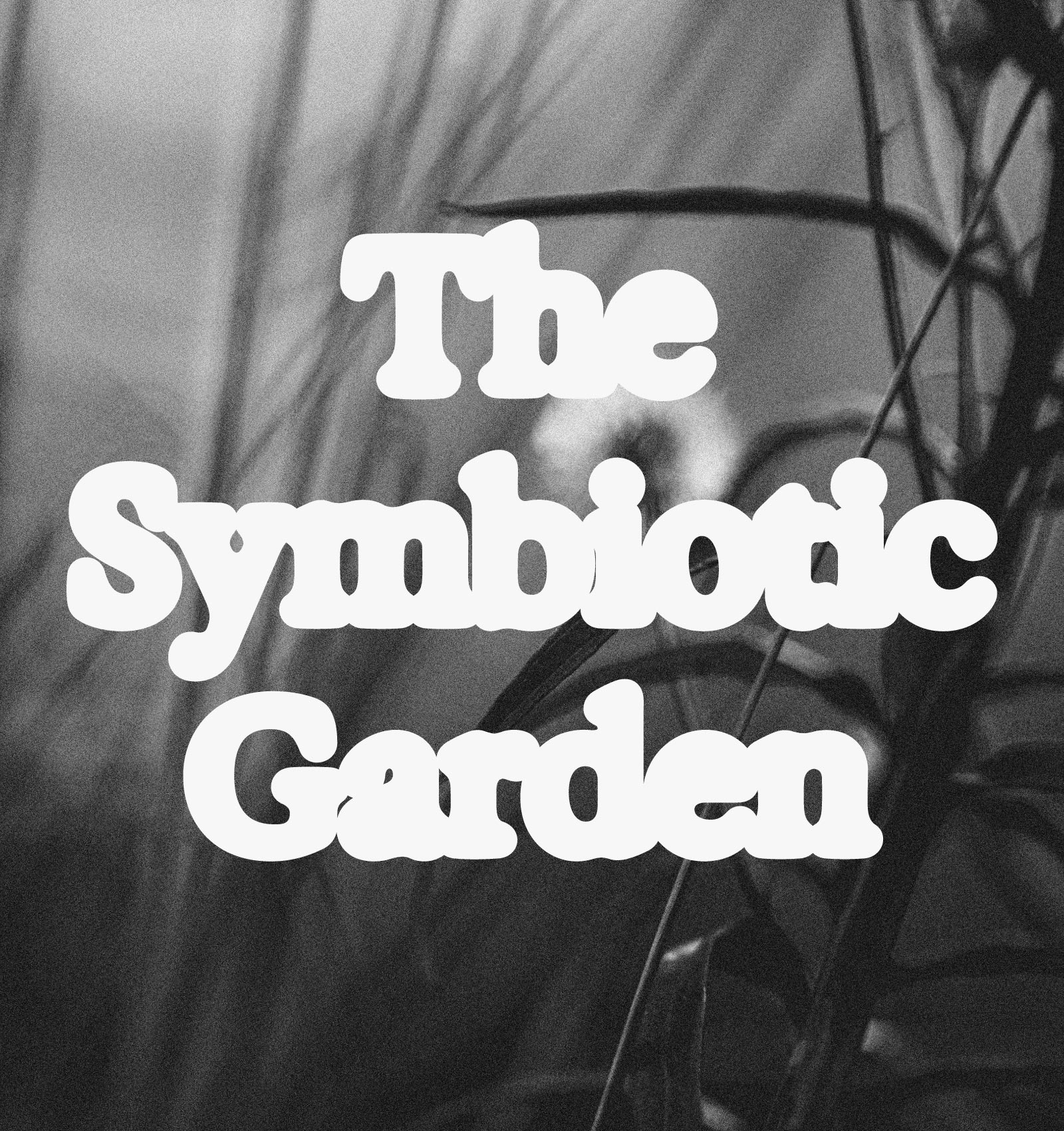
The Symbiotic Garden explores plant perception, human interconnection, and the ways nature continues to shape how we build, design, and relate to our environment.
OVERVIEW
Year:
2025
Location:
Portugal
Type:
Academic Project
Services:
Research / Copy
Editorial
Stationary
Digital Assets
Webdesign
Editorial
Stationary
Digital Assets
Webdesign
The Challenge
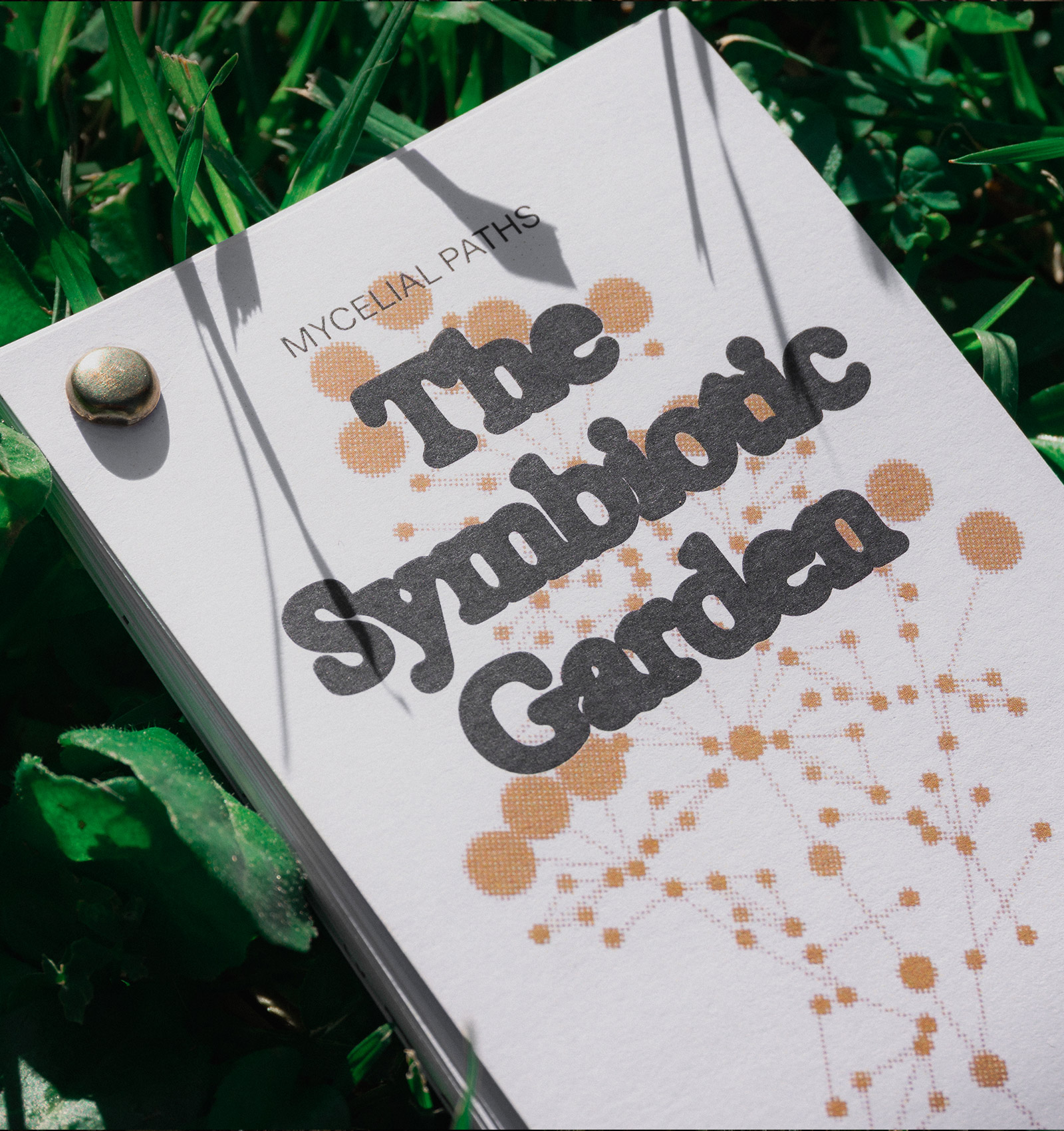
The project required the development of a multimedia system grounded in extensive research. The challenge was to translate scientific and philosophical inquiry into a cohesive visual language one capable of existing across print, digital, and spatial contexts without losing conceptual depth.
The Approach
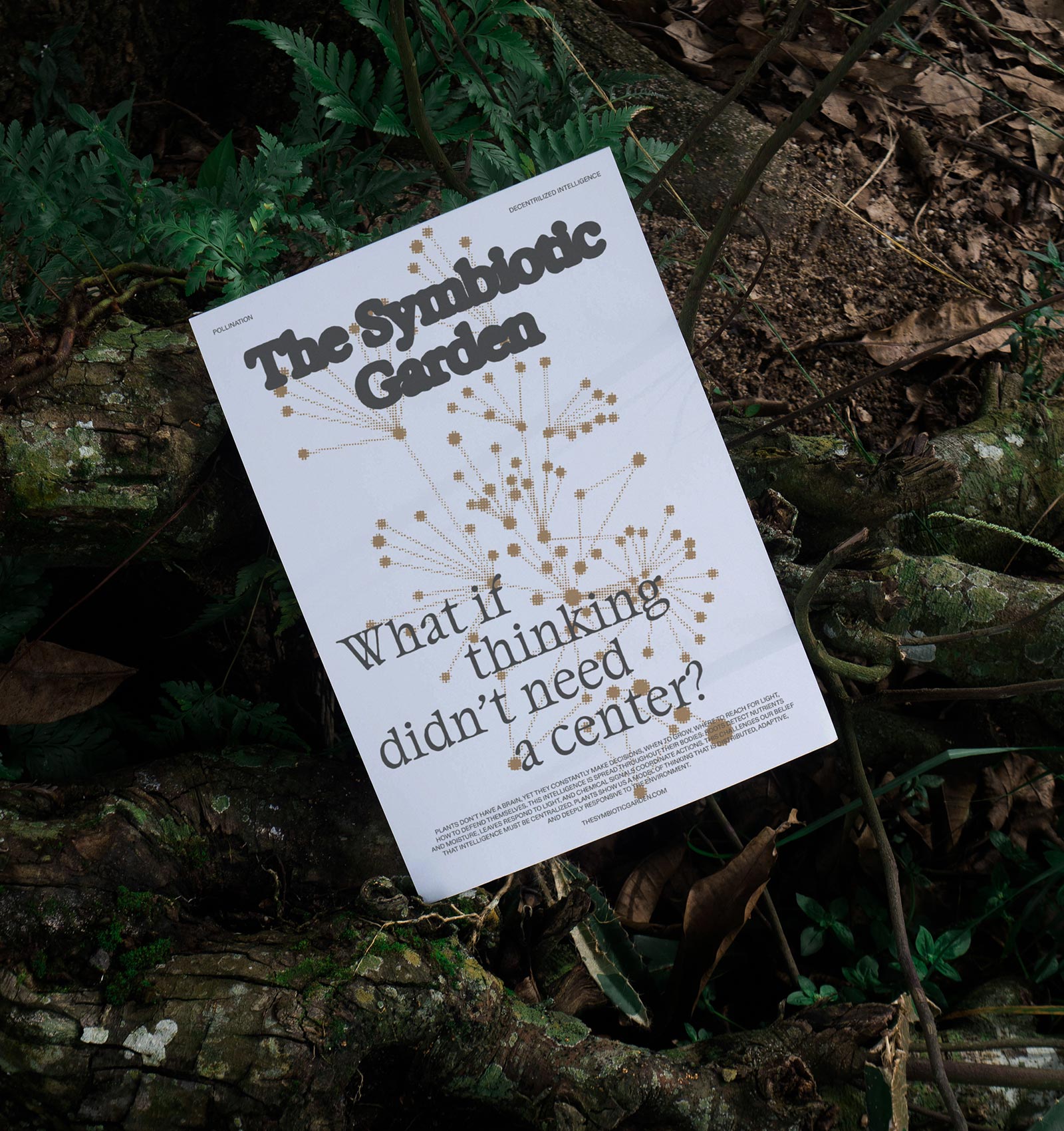
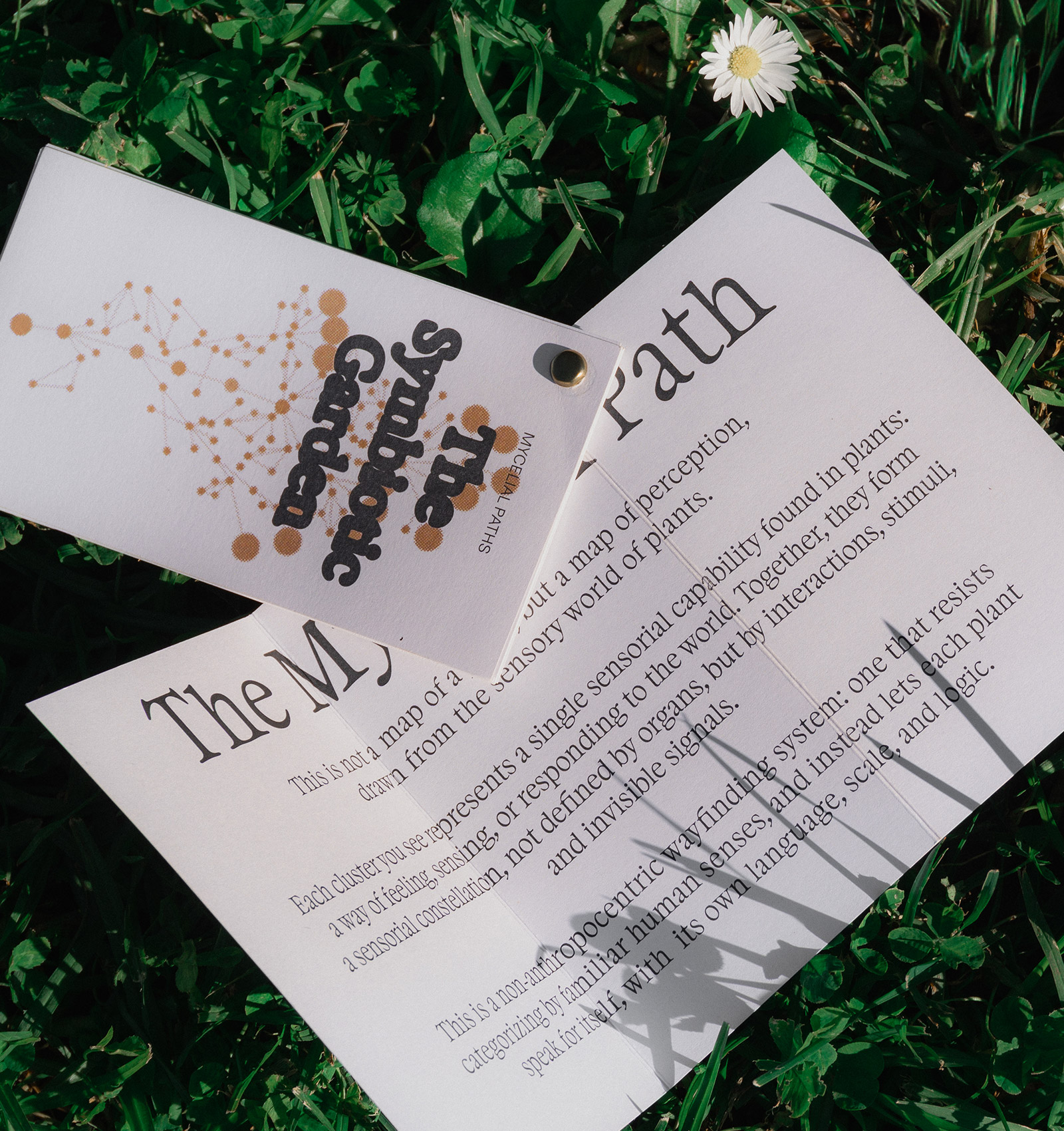
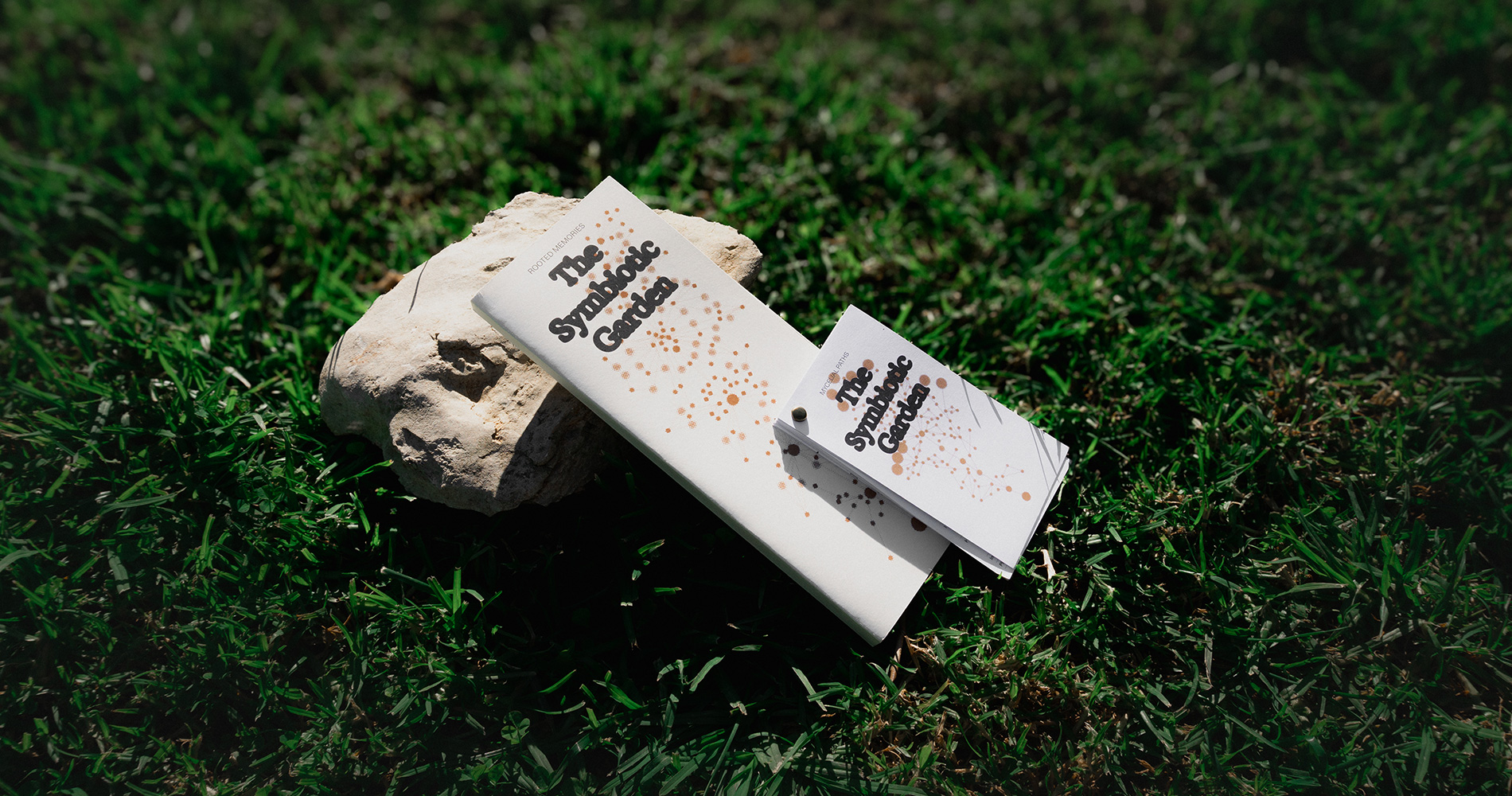
The concept evolved into a “symbiotic garden”, a space where research, architecture, and perception intersect.The work was structured into three thematic chapters: plant responsiveness, our evolving relationship with nature, and architectural projects inspired by plant systems and sustainability. The visual language balances structure and fluidity, mirroring the tension between human order and organic growth. To extend the concept spatially, I developed a fictional wayfinding system. Each symbol represents a different form of plant perception, transforming invisible biological processes into navigational elements.


The Application
The system unfolds across multiple touchpoints, including publication, web, environmental graphics, and social content. Interactive digital exploration allows users to navigate architectural case studies, while speculative posters pose reflective questions about human–plant relationships. Time-based media further expands the narrative, incorporating plant growth and mushroom-generated sound to create a more immersive perspective. The project was later exhibited as a multimedia installation.
The Outcome
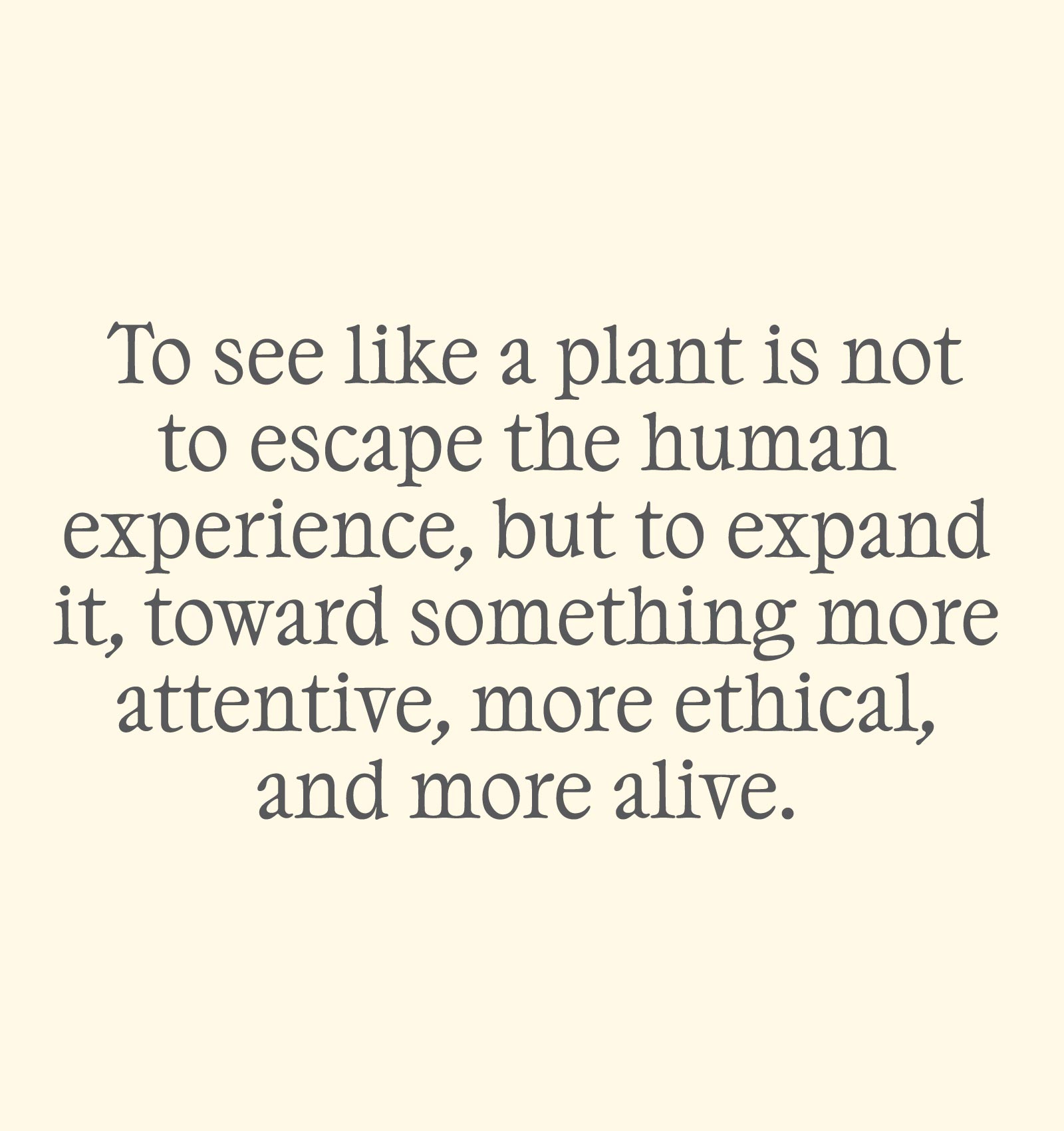
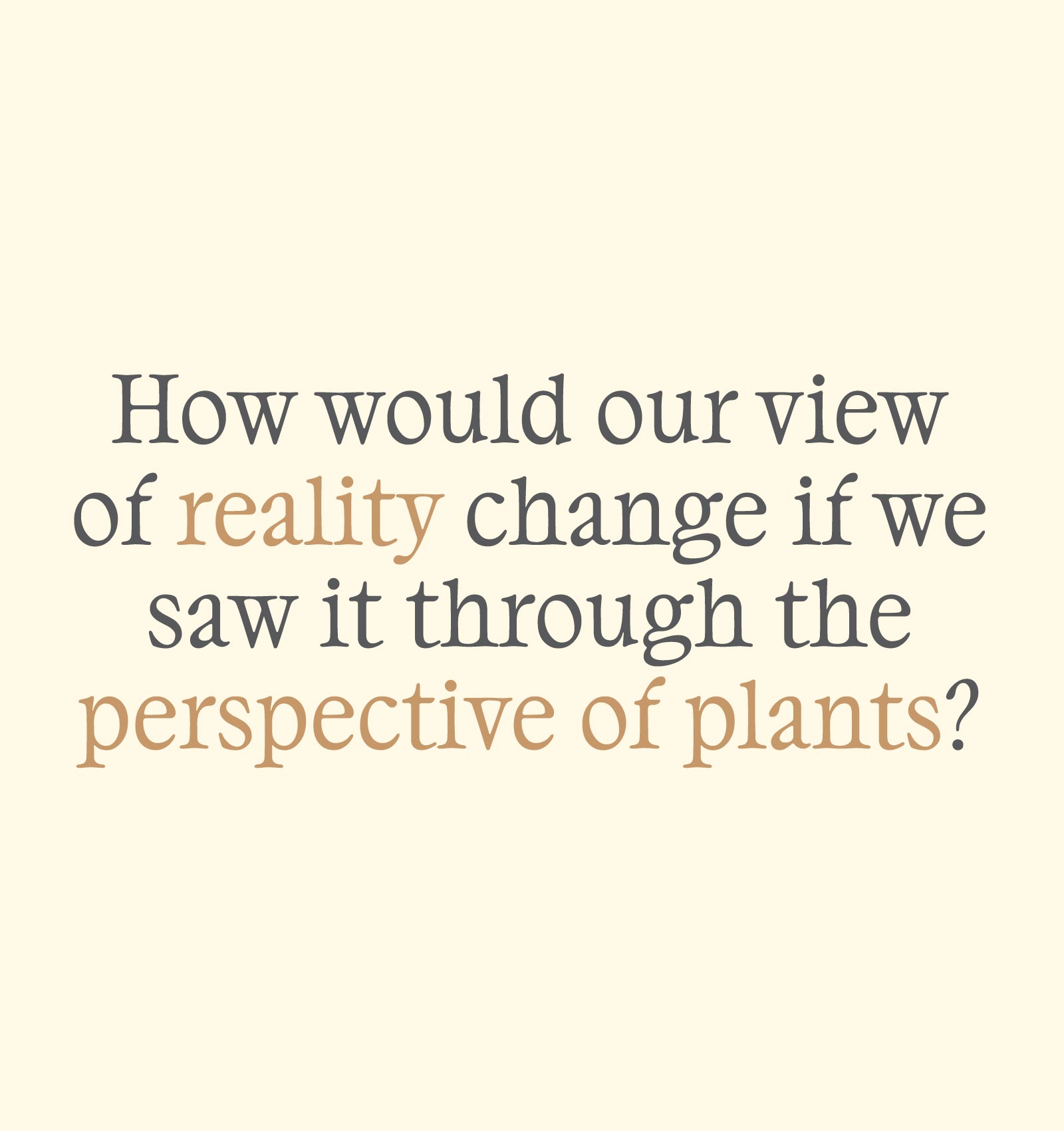
The Symbiotic Garden reframes plant life as responsive and interconnected rather than passive. It proposes that seeing like a plant does not replace the human experience, it expands it, toward something more attentive, more ethical, and more alive. The project strengthened my ability to translate complex research into structured design systems while maintaining conceptual clarity across mediums.